Deep tissue massage should feel like firm, sustained pressure and a deep, satisfying ache, not sharp pain that makes you flinch. If you have been wondering what deep tissue feels like before booking one, that is the short answer: strong but bearable, the kind of discomfort you can breathe through and even enjoy. It is not a fight, and it is not meant to leave you tense and bracing the whole way through. It is also not for everyone, and knowing when to skip it matters as much as knowing what it feels like.
What it feels like while it is happening
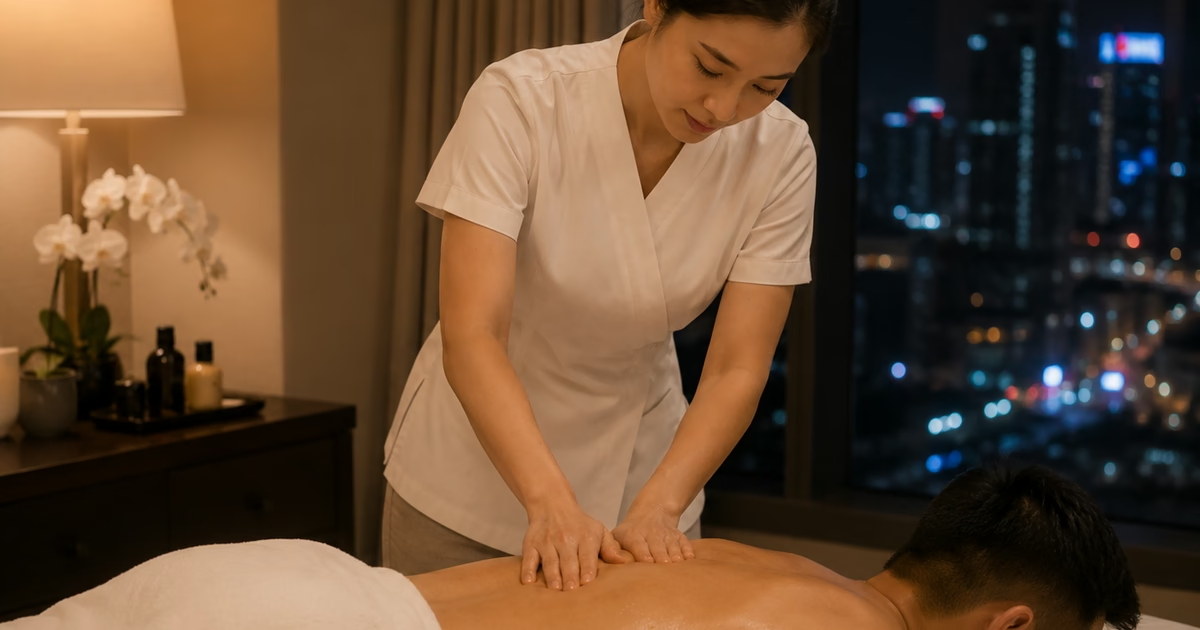
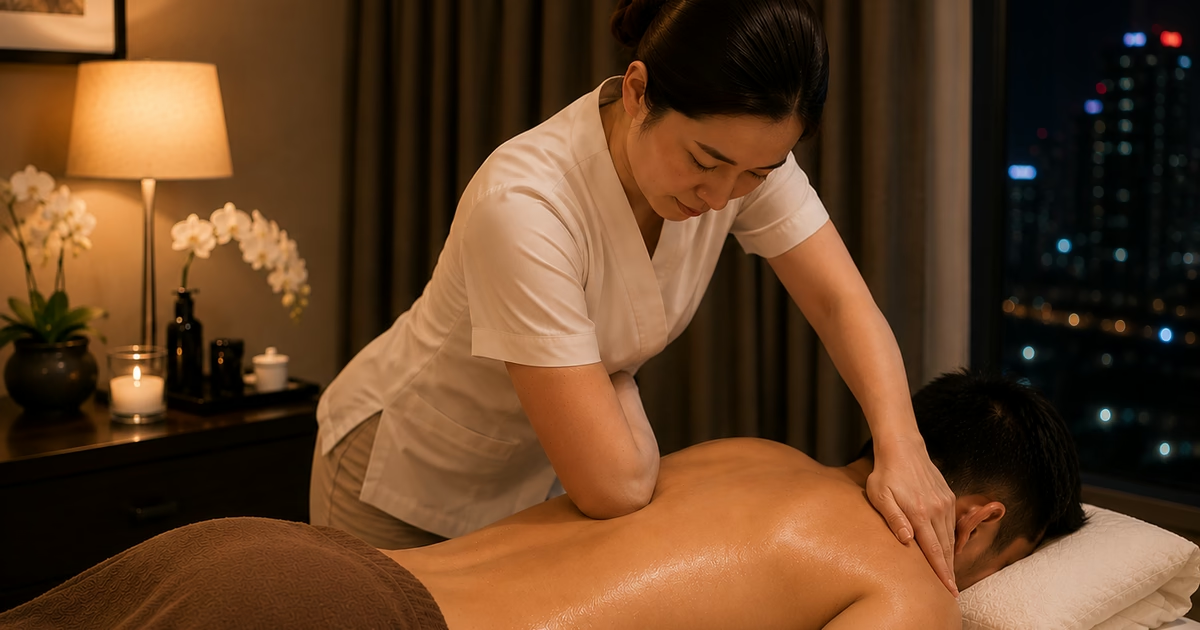
The defining sensation is pressure with depth. Instead of gliding over the surface, the therapist sinks slowly into the muscle and holds, using hands, knuckles, and forearms to reach the layers underneath. On a tight spot, that pressure produces a strong, dull ache that many people describe as a good hurt: it is uncomfortable and satisfying at the same time.
The key test is your breathing. At the right intensity you can stay relaxed and breathe normally, even as the therapist works a stubborn knot. If you find yourself tensing up, clenching, or holding your breath, the pressure has crossed from productive into too much. Good deep tissue lives right at the edge of that line, not past it.
It should never feel sharp, electric, or like a bruise being pressed. Those are signals to speak up, not sensations to endure. A skilled therapist adjusts constantly based on what your body tells them, which is why the session is a conversation, not a test of how much you can take.
Firm pressure, slow pace, specific targets
A deep tissue massage is defined by depth and intent rather than brute strength. The pace is slow. The therapist spends time on specific tight muscles and trigger points rather than covering the whole body evenly, holding pressure until the tissue starts to give.
This is what separates it from a firm oil massage, which uses brisk, flowing strokes to leave you loose and calm all over. Deep tissue narrows the focus. It is the style people reach for when one area, a locked-up shoulder, a tight lower back, will not let go. If your problem is exactly that kind of stubborn knot, the causes and fixes are covered in massage for muscle knots.
Because it targets the deeper layers, it can feel more intense than any relaxation massage. That intensity is the point, but only up to the level your body accepts. More pressure past that does not buy better results.
What it feels like afterward
Expect to feel worked, and often a little sore. Mild soreness after deep tissue is normal and expected, not a sign anything went wrong. According to Cleveland Clinic, that soreness usually lasts from a few hours to about a day and a half, for much the same reason your muscles ache after an unfamiliar workout.
Deep tissue tends to leave you more sore than a gentle massage, simply because the pressure goes deeper. It helps to drink water afterward, move gently rather than sitting still, and leave a day or two before anything physically demanding. Most people feel looser and freer once the soreness fades.
What is not normal is sharp pain, soreness that keeps getting worse, bruising, or aching that drags on for several days. That points to pressure that was too much, and it is worth mentioning before your next session so the therapist can ease off.
Deeper is not always better
It is a common belief that a massage only works if it hurts, and that more pressure means more benefit. Neither is true. Muscle that is pushed too hard tends to guard and tighten in response, which is the opposite of what you came for. The gains come from pressure your body can accept and relax into, not from gritting your teeth.
So the best deep tissue is not the hardest one you can survive. It is the firmest one you can stay relaxed under. Tell your therapist if you want more or less, every time. Working with a therapist who listens beats one who simply presses harder.
Who should avoid deep tissue massage
This is where the honesty matters, because deep tissue is not right for every body. For most healthy people it is safe. A systematic review of massage adverse events found that serious complications are uncommon, and the rare serious cases were mostly tied to forceful techniques and spinal manipulation by untrained hands, not ordinary massage. Choosing a trained therapist removes most of that risk.
Some conditions rule deep tissue out, or mean you should get a doctor's clearance first:
- You take blood thinners or have a clotting disorder, where firm pressure can cause bleeding under the skin.
- You have a current or recent blood clot, such as a DVT, where pressure could be dangerous. Never massage a swollen, warm, painful leg.
- You have fragile or thinning bones, such as osteoporosis, where deep pressure is a fracture risk.
- You have had a recent surgery, fracture, or have an open wound, burn, or skin infection.
- You have inflammation, unexplained swelling, or a flare of an inflammatory condition in the area.
If you are pregnant or have uncontrolled high blood pressure, deep tissue is not the right choice. Go for a gentler style and let your therapist and doctor know. And if any pain is sharp, shooting, or comes with numbness or weakness, see a doctor before booking any massage, because that is not simple muscle tension.
The gentler route if it is too much
Deep tissue is a tool, not a badge. If firm pressure is not for you, whether by preference or because a condition rules it out, a slower oil massage gives you most of the release with far less intensity. You can always start lighter and ask for more next time, which is easier than recovering from a session that was too much.
If you are not sure which style suits you, it helps to choose by pressure and purpose: firm and targeted for stubborn knots, slow and flowing for tension and stress. The pricing page lists the styles and lengths side by side, and whether you want a firm session or a gentle massage near me, the booking works the same way. The best massage is the one your body actually wants, and for plenty of people that is firm but not fierce, not the hardest one on the menu.
Frequently asked questions
What does a deep tissue massage feel like?
It feels like firm, sustained pressure sinking into the muscle, often described as a good ache or a satisfying hurt rather than sharp pain. The therapist works slowly with hands, knuckles, and forearms, holding pressure on tight spots until they release. You should feel it working, but you should still be able to breathe normally and stay relaxed. If it makes you tense up, clench, or hold your breath, it has gone too far.
Is deep tissue massage supposed to hurt?
Not in a sharp, wincing way. The right level is a strong, dull ache that feels like it is doing something, the kind of discomfort you can breathe through and even enjoy. Pain that makes you flinch or brace is too much, and pushing past it does not make the massage more effective. Deeper is not always better, and a good therapist works with your feedback rather than through your pain.
Is it normal to be sore after a deep tissue massage?
Yes, mild soreness afterward is normal and expected. According to Cleveland Clinic, post-massage soreness usually lasts from a few hours to about a day and a half, for much the same reason you ache after a good workout. Deep tissue tends to cause more of it than a gentle massage because of the deeper pressure. Drink water, move gently, and it settles on its own. Soreness that is sharp, worsening, or lasts several days is not normal.
Who should avoid deep tissue massage?
Skip deep tissue, or get medical clearance first, if you take blood thinners or have a clotting disorder, a current or recent blood clot (DVT), fragile or thinning bones such as osteoporosis, or a recent surgery, fracture, or open wound. Avoid firm work over areas of infection, inflammation, or unexplained swelling. If you are pregnant or have uncontrolled high blood pressure, choose a gentler style and tell your provider. When in doubt, ask a doctor before booking.
Is deep tissue massage safe?
For most healthy people, yes. A systematic review of massage adverse events found that serious complications are uncommon, and the rare serious ones were mostly linked to forceful techniques and spinal manipulation by untrained hands, not standard massage. The takeaways are simple: choose a trained therapist, speak up about pressure, and avoid deep tissue if you have one of the medical conditions that rule it out.
How is deep tissue different from a firm regular massage?
It is about depth and intent, not just strength. A firm relaxation massage works the whole body with brisk, flowing pressure to leave you loose and calm. Deep tissue slows down and targets specific tight muscles and knots, holding sustained pressure to reach the deeper layers. It is less about covering everything and more about resolving particular problem areas, which is why it can feel more intense.
How often can you get a deep tissue massage?
For a specific tight area, once every one to two weeks while you work on it is common, then less often for maintenance. Because it can leave you sore, it helps to leave a day or two before anything demanding. If every session leaves you very sore for days, that is a sign the pressure is too much for you, and a lighter style or a lighter hand would serve you better.