A day of walking the city leaves your legs heavy and your feet sore, and by evening they feel like they belong to someone else. That feeling is mostly two things: muscle fatigue in the calves and feet, and fluid that has pooled in your lower legs from hours of being upright. Massage helps with both. It eases the tired muscle and it nudges the circulation that gravity has been working against all day. It will not re-engineer your shoes or your step count, but for the ordinary heavy-legs feeling it is one of the more direct kinds of relief.
Why your legs and feet feel wrecked
Being on your feet is harder on your body than it looks. A review of the research on prolonged standing at work links it to lower-leg pain, muscle fatigue, and swelling (Waters and Dick, Rehabilitation Nursing, 2015). The same mechanics apply to a day of walking a hot, busy city.
The muscle part is straightforward. Your calves and the small muscles in your feet have been working continuously for hours, absorbing every step, and they fatigue like any muscle worked that long.
The heavy, swollen part is about circulation. When you are upright and moving, your calf muscles act as a pump that pushes blood back up toward your heart. Stand or trudge along for long enough, especially in heat, and some fluid settles into your lower legs and feet anyway. That pooling is what gives you the tight, puffy, weighed-down feeling by evening. It is normal, and it clears once you get your feet up.
What a massage actually does for tired legs
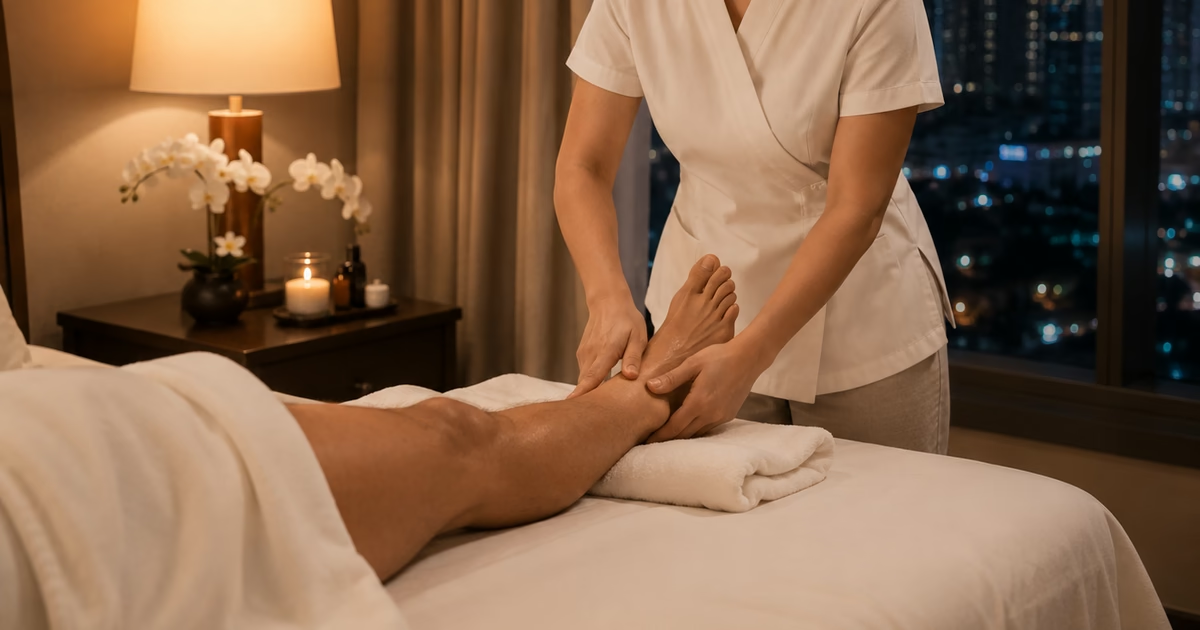
Massage works on both halves of the problem at once. Kneading and stroking the calves and feet eases the fatigued muscle, which is the part you feel immediately. Less obvious is what it does to circulation.
In one study, sedentary adults were given a single 30-minute Swedish massage of the lower legs, and researchers measured their blood-vessel function afterward. It improved, and it stayed improved for up to 72 hours. The effect showed up even in people who had not exercised at all (Franklin et al., Archives of Physical Medicine and Rehabilitation, 2014). That suggests massage changes the circulation itself, rather than just moving blood around for a minute.
Worth keeping honest about what that means. It is a small study, and it measured vascular function generally rather than proving your legs drain faster. But it fits what people report, which is that the legs feel lighter and less tight for a while afterward, not just during. For a body that has been fighting gravity all day, better circulation is exactly the useful part.
Which kind of massage suits tired legs
The style matters less than making sure the legs and feet actually get worked. In Bangkok most full-body massages include the feet as a matter of course, so you rarely have to ask for them specifically.
An oil massage suits tired legs well, because the glide lets a therapist do long draining strokes up the calf without dragging on the skin. It is the gentlest option for legs that are simply tired and tender. A Thai massage takes a different route, using pressure along the legs and stretches that open up stiff hips, calves, and ankles, and it always includes solid footwork. If your calves have gone past tired into genuinely knotted and hard, the firmer pressure of a deep tissue massage reaches deeper, though it is more than most ordinary tired legs need.
Sixty minutes is enough to cover both legs and the feet without rushing. If the ache has settled into specific hard tender spots rather than a general heaviness, that is more of a knot than plain fatigue, and firmer targeted work suits it better. Session lengths and prices sit on the pricing page, whether you go out to a shop or search for a massage near me that comes to you.
The simple things that help just as much
A massage is not the only lever, and it works better alongside the basics.
Get your legs up. Lie down and raise your feet above the level of your heart for ten or fifteen minutes. That lets the pooled fluid drain back out of your lower legs, and it is the fastest free fix there is. Drink water too, because mild dehydration makes tired muscle feel worse. Keep moving gently rather than collapsing into one position, since light movement keeps the calf pump working. Cool water over the legs and feet, or a cool shower, takes the edge off the swelling and the heat.
None of these fix the cause, which is usually just a lot of time on your feet. They make the evening a great deal more comfortable, and they stack neatly with a massage rather than competing with it. If getting back out to a shop is the last thing your legs want after all that walking, this is the sort of evening a therapist coming to you was made for.
When tired legs are not just tired
Almost always this is ordinary fatigue. Now and then it is not, and the difference matters.
See a doctor rather than booking a massage if one leg is swollen, painful, warm, or red in a way the other is not. That pattern can point to a blood clot, and massaging it is the wrong thing to do. The same goes for sudden swelling with no obvious cause, and for calf pain that is sharp rather than achy. Swelling that comes with breathlessness or chest discomfort needs urgent care, not a wait.
Legs that stay swollen every day, or swell more and more over weeks, are also worth a check rather than a rub. Persistent swelling can be a sign of a circulation or heart issue that a massage will not touch. For the everyday version, the heavy legs that ease once you are off your feet and feel better after some pressure and a bit of elevation, there is nothing to worry about. That is just a city taking its toll, and a good leg massage is one of the nicer ways to pay it back.
Frequently asked questions
Does massage help tired legs and feet?
Yes, for the ordinary tired-and-heavy kind. Massage eases the muscle fatigue that builds through a long day upright, and it improves circulation. In one study, a 30-minute lower-leg massage measurably improved blood-vessel function for up to three days, and it helped even people who had not exercised. It works on the muscle and the circulation, which are the two things making your legs feel like lead.
Why do my legs and feet feel so heavy after walking all day?
Two things stack up. The muscles in your calves and feet fatigue from hours of use, and fluid pools in your lower legs because you have been upright with gravity working against your circulation. Standing and walking for long stretches is linked to leg pain, muscle fatigue, and swelling. The heavy feeling is that pooling plus tired muscle, not damage.
Is it better to rest or massage tired legs?
Both, and they do different jobs. Resting with your legs raised lets pooled fluid drain back out of your lower legs, which is why elevation feels so good. Massage adds to that by easing the tired muscle and helping circulation. Neither cancels the other, so a short massage plus some time with your feet up beats either alone.
How do you get rid of tired achy legs fast?
Get off your feet and raise your legs above heart level for a while. Drink water, since mild dehydration makes muscle fatigue worse. Move gently rather than freezing in one position, because light movement pumps fluid out of the legs. A massage of the calves, legs, and feet helps on top of all of that. Cool water on the legs can take the edge off swelling.
Does foot massage help after being on your feet all day?
It does, and in Bangkok the feet are usually included as part of a full-body or Thai massage rather than treated separately. Working the soles and the small muscles of the feet eases the ache directly, and because the calves and feet work together, most people want the lower legs done at the same time. The relief is real but temporary, so treat it as easing the day rather than fixing your footwear.
Can massage reduce swelling in the legs?
It can help move the ordinary fluid pooling that comes from being upright all day, especially combined with elevation and movement. What massage should not be used for is swelling that is sudden, one-sided, or comes with calf pain, warmth, or redness. That pattern can signal a blood clot, and massage is the wrong response. See a doctor first if the swelling looks like that.
Should you massage your legs and feet after walking all day, or is it bad for them?
For normal tired legs it is fine and helpful. The only times to hold off are when the pain is sharp rather than achy, when one leg is swollen and painful in a way the other is not, or when there is a specific injury. In those cases the ache is not simple fatigue, and it needs looking at rather than rubbing.