A muscle knot is a small patch of muscle that stays tight when it should relax, and it usually forms from stress, overuse, or long hours in one position. Massage for muscle knots works by putting steady pressure on that tight spot and bringing blood flow back to it, which eases the pain and helps the fibres let go. It is one of the most direct ways to loosen a knot, though the tension that caused it still needs addressing between sessions.
What a muscle knot actually is
A muscle knot is a section of muscle fibres that stays contracted instead of releasing. The medical name is a myofascial trigger point. Under the skin it can feel like a small, tight bump, and it is tender when you press on it. Sometimes pressing one spot sends a dull ache somewhere nearby, which is why a knot in your shoulder can be felt further up your neck.
Knots turn up most in the muscles that hold you upright all day: the neck, the shoulders, and the upper back. They are common. The medical term and the way they behave are described well by Cleveland Clinic, which is a good primer if you want the clinical view.
What causes muscle knots
Knots build up from stress and load on a muscle over time, not from one sudden thing. A few causes come up again and again.
- Long hours sitting or standing in the same position, which keeps the same muscles under quiet strain.
- Repetitive movements or overtraining without enough recovery between sessions.
- Poor posture at a desk or on a phone, which loads the neck and shoulders.
- Stress and tension you hold without noticing, often in the upper back.
- Dehydration, which leaves muscles more prone to tightness.
Most of these share a theme. A muscle is asked to stay slightly switched on for too long, and part of it stops letting go. That is why the fix is rarely one thing, and why prevention matters as much as treatment.
Why massage helps a knot
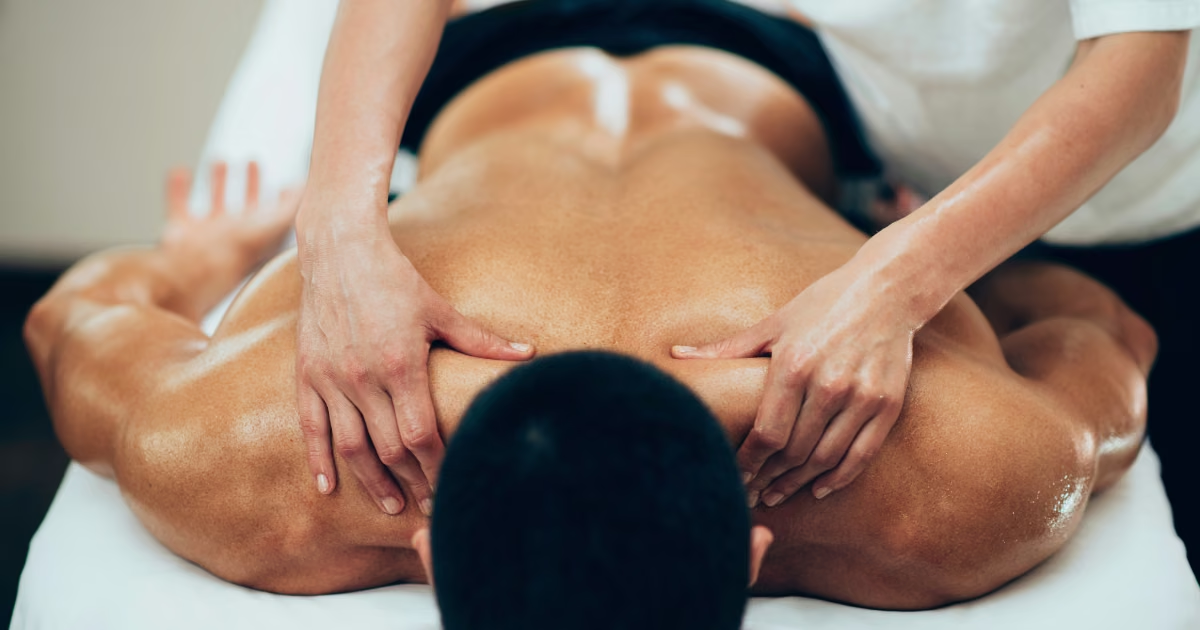
Massage targets a knot in two ways at once. Direct pressure asks the tight fibres to release, and the friction and movement bring fresh blood flow to a spot that has been starved of it. That combination is what eases the tenderness and the stiffness around it.
A therapist finds a knot by feel, pressing along the muscle until they reach the tender spot, then works around it as much as on it, since the muscle feeding into a knot is usually part of the problem. That targeted attention is hard to give yourself, which is why many people look for a massage near me when a knot will not shift on its own.
The evidence backs this up for stubborn cases. In a randomized controlled trial of people with myofascial pain syndrome, deep tissue massage produced significantly greater improvements in pain, neck disability, and range of motion than standard care alone (Bingölbali et al., Somatosensory and Motor Research, 2024). Firm, deep work has a real effect on the kind of tension that forms knots.
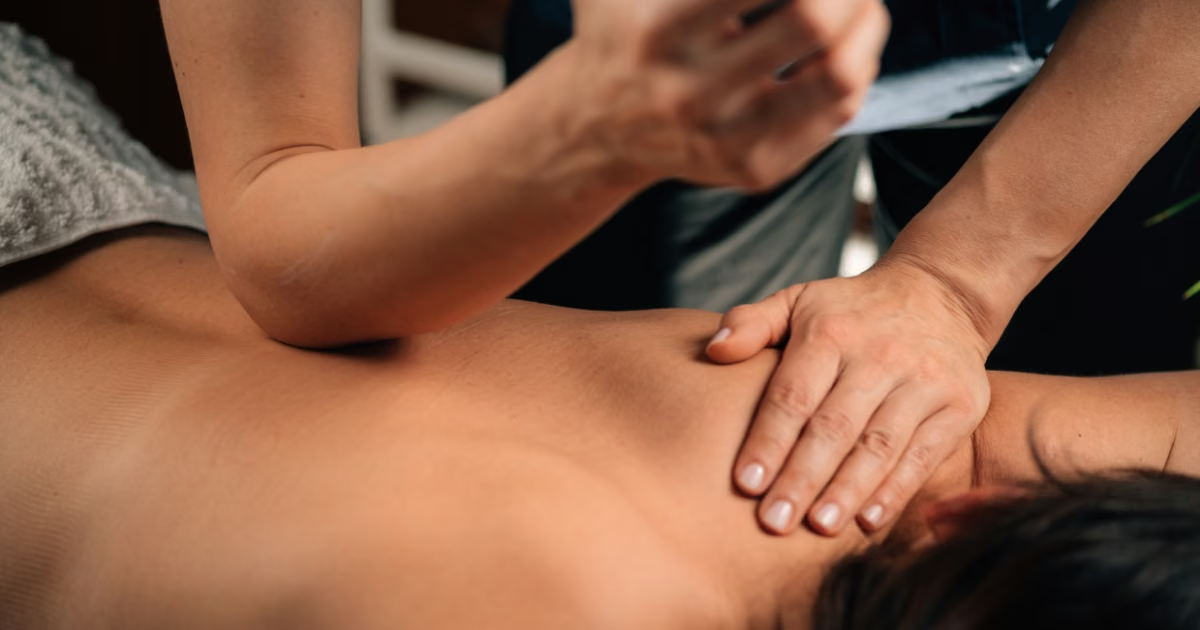
Which style helps depends on the knot. Firm, slow pressure, the sort you get in a deep tissue massage, suits a stubborn knot that has been there a while. A Thai massage works differently, with acupressure and assisted stretching that open up tight areas without oil. A warm oil massage is gentler and better when the muscles are simply tense, not truly knotted. If you are unsure which fits, the styles and session lengths are set out on the pricing page.
What you can do between sessions
A massage can release a knot, but it comes back if the underlying tension does not change. Most of the day-to-day work is yours to do, and it is not complicated.
- Use heat first. A heat pad or a warm shower relaxes the fibres before you work on them.
- Apply steady pressure. Rest a massage ball or your fingers on the tender spot, hold it, and breathe instead of digging hard.
- Stretch the area gently and often, especially the neck, shoulders, and upper back.
- Move more through the day. Standing up and changing position breaks the long, quiet strain that forms knots.
- Drink enough water. Muscles cope better with load when you are not dehydrated.
None of this is dramatic, and that is the point. Small, steady habits keep a knot from settling back in once a massage has loosened it.
When a knot needs more than a massage
Massage is for ordinary muscle tension, and it is worth being honest about where it stops helping. A very irritated knot can flare up if the pressure is too aggressive, so more force is not always better. A good therapist reads the muscle and eases off when it fights back, rather than forcing it.
Some signs point past massage entirely. See a doctor if the pain is severe, keeps returning, or spreads, or if you feel numbness, tingling, or weakness in the area. Redness, swelling, or warmth at the spot also needs a proper check, since those can signal something other than a knot. For everyday tightness from stress and sitting, though, a good massage and a few steady habits handle most of it.
Frequently asked questions
What is a muscle knot?
A muscle knot is a small patch of muscle fibres that stays contracted instead of relaxing. The medical term is a myofascial trigger point. It often feels like a tight bump that is tender when you press it, and it can refer pain to a nearby area.
Does massage get rid of muscle knots?
It often helps. Steady pressure and warmth ease the tight fibres and improve blood flow to the area, which can reduce the pain and stiffness. Deep, firm work suits stubborn knots, though a single session rarely clears a long-standing one for good.
What causes muscle knots?
Mostly stress and load on a muscle over time. Long hours sitting, repetitive movements, poor posture, overtraining without recovery, and dehydration all contribute. Tension you hold without noticing, often in the neck and shoulders, is a common trigger.
Is deep tissue massage best for knots?
Firm, deep work suits most stubborn knots, but it is not always the answer. A very irritated knot can flare up if the pressure is too aggressive. A good therapist reads the muscle and adjusts, rather than forcing it.
How can I release a muscle knot at home?
Warmth helps first, so try a heat pad or warm shower. Then apply steady pressure with your fingers or a massage ball, hold it on the tender spot, and breathe. Gentle stretching, moving more often, and drinking enough water all help between sessions.
When should I see a doctor about a muscle knot?
See a doctor if the pain is severe, keeps coming back, or spreads, or if you feel numbness, tingling, or weakness. Redness, swelling, or warmth at the spot also needs a check. Massage is for ordinary tension, not for pain with those warning signs.
How often should you get a massage for muscle knots?
For a recurring knot, many people find a session every one to two weeks keeps it in check while the underlying tension settles. A single deeply set knot may ease over a few sessions rather than one. Once it clears, an occasional massage plus daily habits is usually enough.