If your day ends at 2am, most wellness advice is written for somebody else. Sleep by eleven, morning sunlight, a regular routine. Useful, and not available to you.
This is the version for people whose clock runs sideways.
Shift work builds tension differently
Two things stack up, and neither is about muscles.
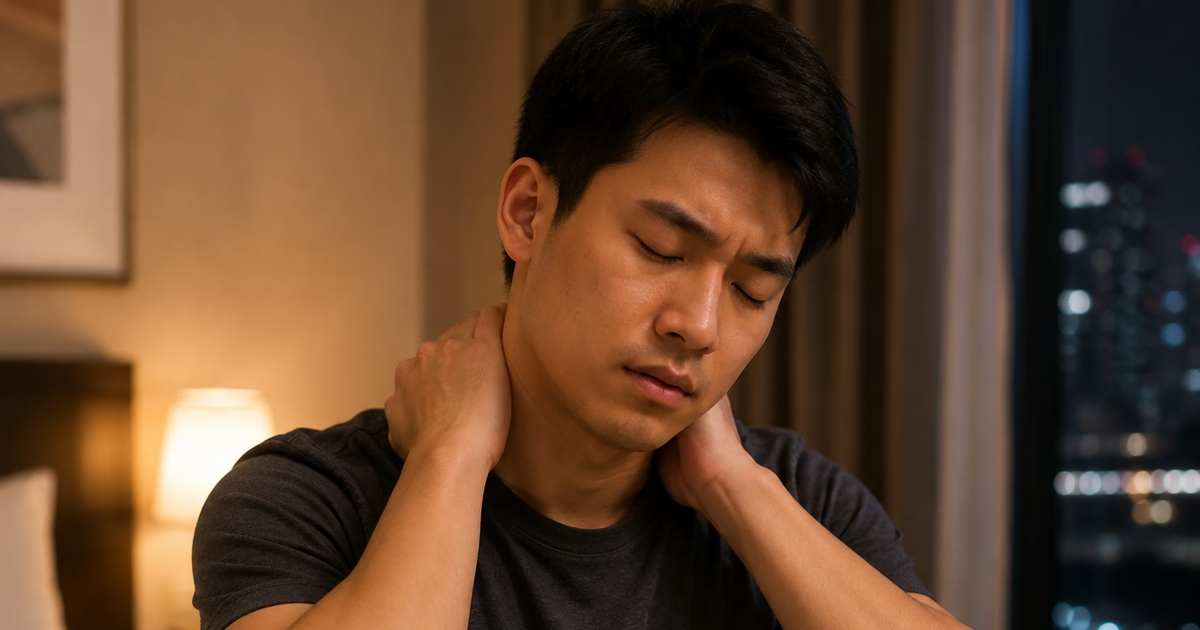
Disrupted sleep means tension does not clear the way it does on a regular schedule. A normal night undoes a lot of what a day builds. Broken or daytime sleep undoes less of it, so you start each shift slightly further behind than the last one.
The second is postural rather than physiological. Most shift work is either standing for hours (hospitality, healthcare, security) or sitting for hours in a quiet building (support, logistics, night desks). Both are static. Static loading is harder on the body than movement, which is why an eight hour shift on your feet leaves you more wrecked than an eight hour walk.
The counterintuitive part: late is easier
Most people assume booking a massage at 1am is harder than booking one at 6pm. In Bangkok the opposite is usually true.
Arrival time is decided by traffic, not by hour. The Asok junction at 6pm can turn a twelve minute trip into thirty five. At 1am the same route runs clean. A therapist typically reaches you faster after midnight than during the evening rush.
The actual constraint is who is still open. Most places stop taking bookings around 11pm, which is exactly when a lot of shifts end. Luna runs until 3am, and the last session starts at 3am rather than the last enquiry.
Worth checking one thing with any provider: whether a late booking costs more. A night-hour premium is common in this category. With Luna it does not, so 2am is the same price as 2pm.
Which treatment for which state
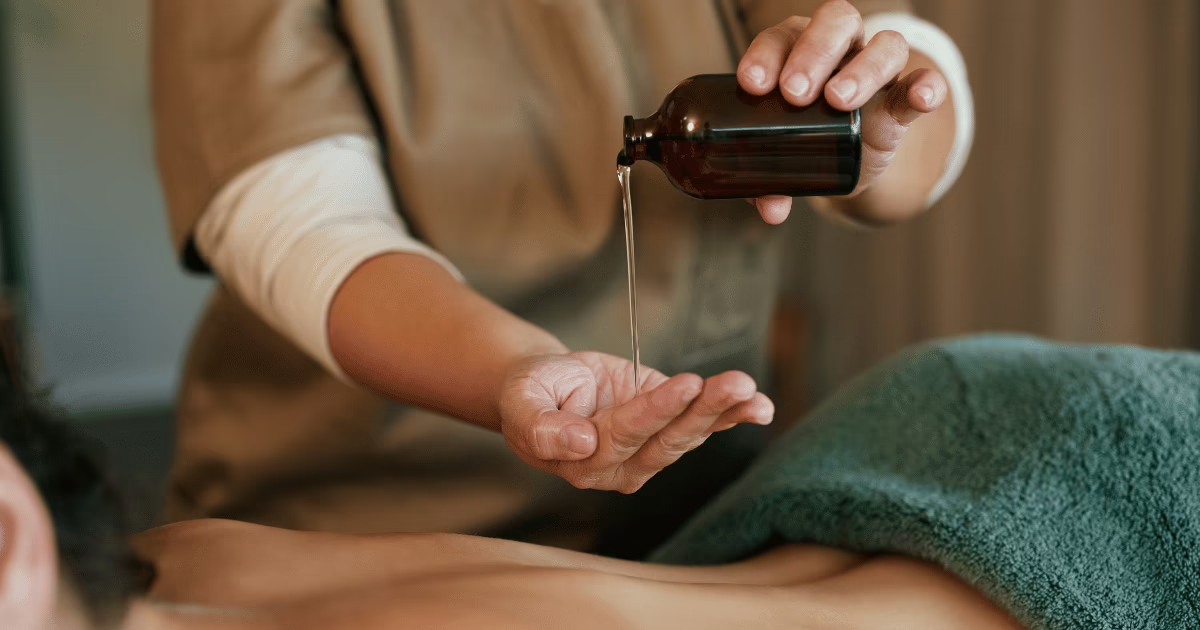
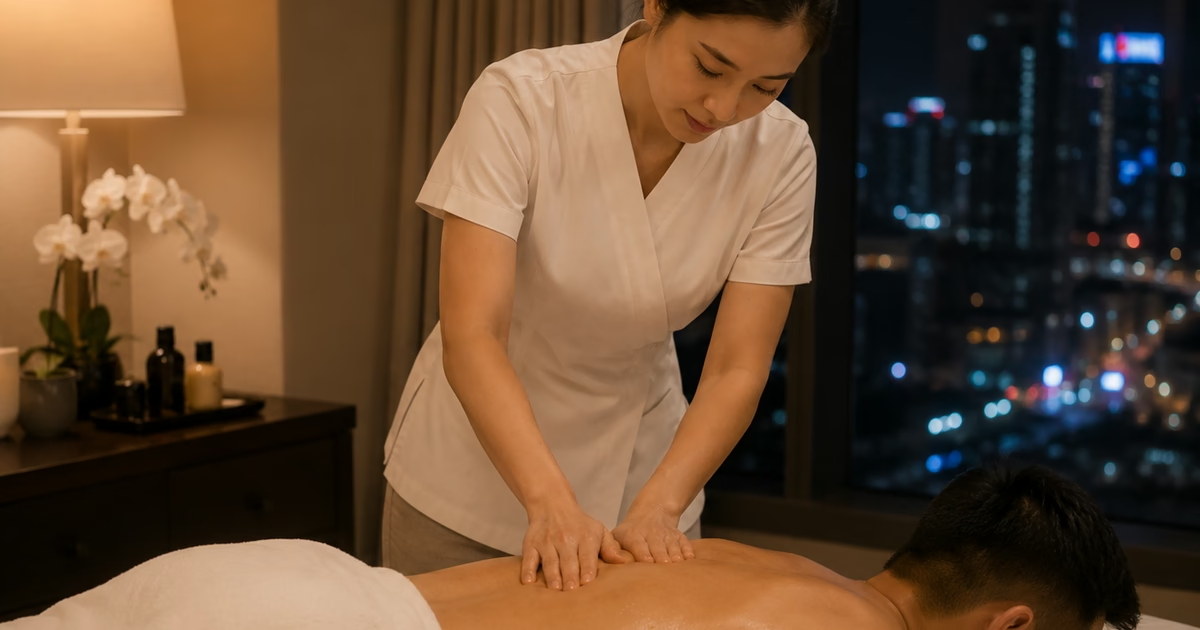
**Wired and cannot switch off.** Aromatherapy. Light pressure and scented oils, built around settling the nervous system rather than working tissue. This is the one to book if you want to be asleep twenty minutes after the therapist leaves, and it is the most common late booking for a reason.
**Stiff from standing.** Traditional Thai. Assisted stretching addresses the hips, hamstrings and lower back that a shift on your feet shortens. It uses no oil and is worked through loose clothing.
**One area genuinely sore.** Deep tissue, and book 90 minutes. But think about the timing: firm work can leave you more alert rather than less, so if you are going straight to bed afterwards this is the wrong choice for tonight. Book it before a shift rather than after one.
**Generally exhausted, nothing specific.** Oil massage. It suits more situations than anything else on the list and it is very hard to get wrong.
The thing about sleeping afterwards
A massage does not make you sleep. It removes some of the reasons you were not going to.
That matters for choosing. People finish a firm deep tissue session feeling loose and slightly buzzing, which is a good outcome at 4pm and a bad one at 3am. Light oil work moves in the other direction.
If sleep is the whole point of the booking, say so when you message. It changes the recommendation more than any other piece of information you can give us.
Frequency
Every two to three weeks suits a shifted schedule better than monthly.
The reasoning is in the first section: disrupted sleep clears less tension on its own, so the baseline you start from creeps upward faster than it would on a regular pattern. Longer gaps mean each session spends most of its time undoing what returned rather than making progress.
If money is the constraint, a shorter session more often beats a longer session less often for this specific situation. Sixty minutes every two weeks does more for a shift worker than 120 minutes every six.
Practical notes for a late booking
**Tell your building.** Overnight security is stricter than the daytime desk almost everywhere in Bangkok. A therapist standing in a lobby at 1am while nobody answers your unit is the most common cause of a late start, and one message to reception removes it.
**Message earlier than you need it.** If you know at 11pm that you want a 1am session, say so at 11pm. Booking ahead costs nothing and means a therapist is assigned rather than found.
**Do not eat a heavy meal first.** Common after a shift, and it makes lying face down unpleasant. Something light is better.
Frequently asked questions
Is it bad to have a massage late at night?
No. The treatment you choose matters more than the hour. Light work with oil settles you and suits a late booking. Firm deep tissue can leave you more alert than when you started, which is the wrong outcome if you are trying to sleep afterwards.
Which massage is best after a night shift?
Aromatherapy if you are going to sleep soon afterwards, because light pressure and scented oils are built for settling rather than working tissue. Traditional Thai if you have been on your feet and feel stiff rather than wired.
Is it harder to book a massage late at night?
It is often easier. Roads clear after about 10pm, so a therapist typically reaches you faster at 1am than at 6pm. The constraint is which services are still open, not whether anyone can get to you.
Does a late massage cost more?
With some services yes, with Luna no. There is no night surcharge, so a 2am booking costs exactly what the same booking costs at 2pm. Worth checking with any provider, because a late-hour premium is common.
How often should a shift worker book?
Every two to three weeks tends to suit a shifted schedule better than monthly, because disrupted sleep keeps tension from clearing on its own the way it does with a regular sleep pattern.