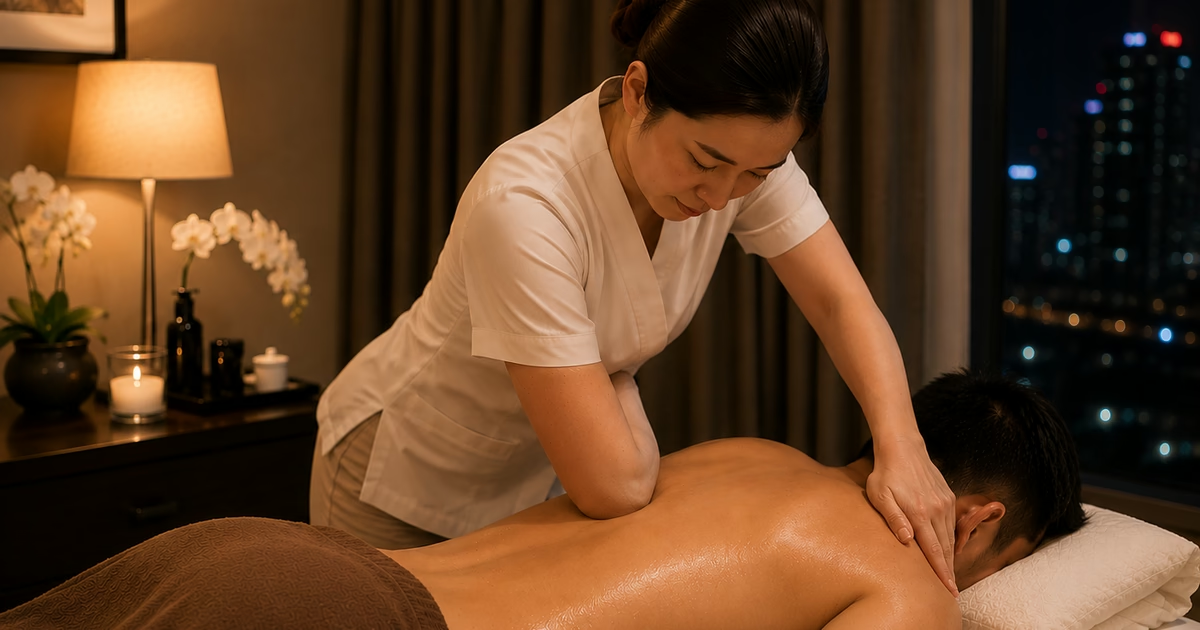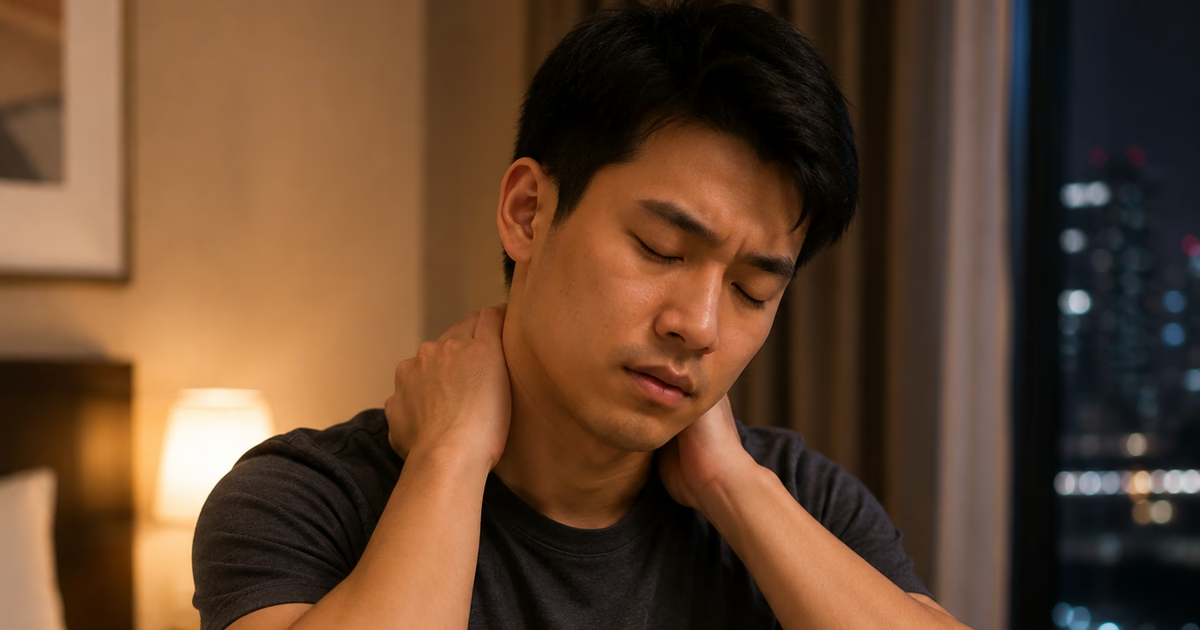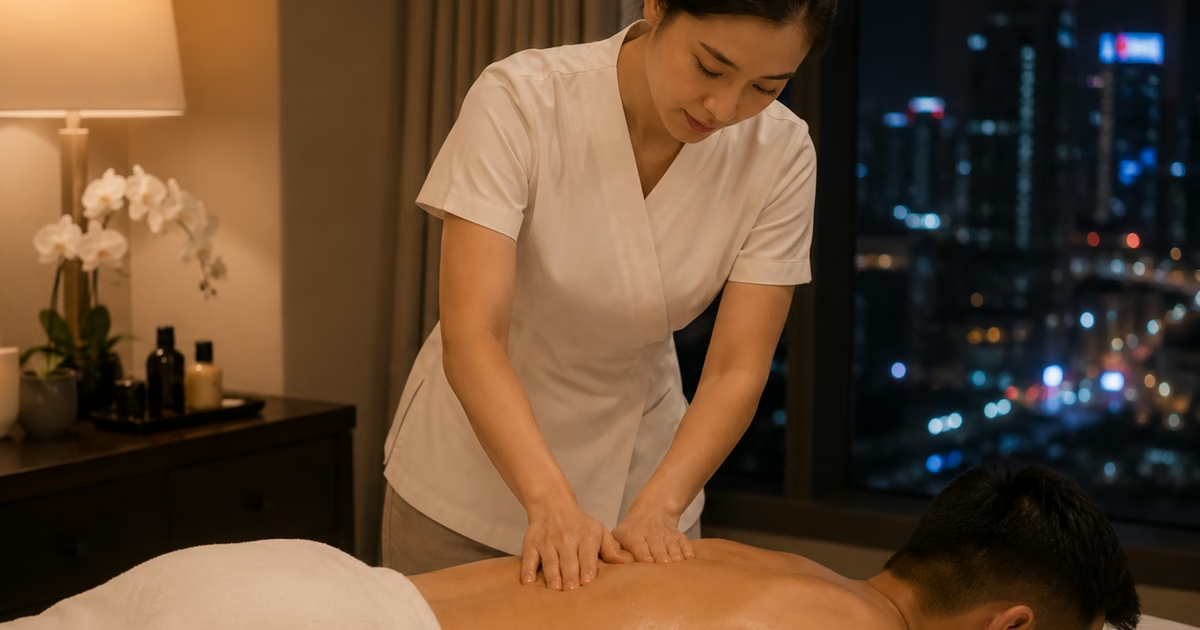
Come-to-you massage etiquette is mostly common courtesy, plus a few things specific to someone arriving at your place rather than you visiting a shop. The good news is that a professional therapist handles almost all of it, the same way a reputable spa would, just in your own space. Your side is small: a clean, quiet spot, a heads-up to your building, and clear communication about pressure and comfort. Get those right and the session runs exactly as smoothly as one in a spa room.
How a professional therapist arrives
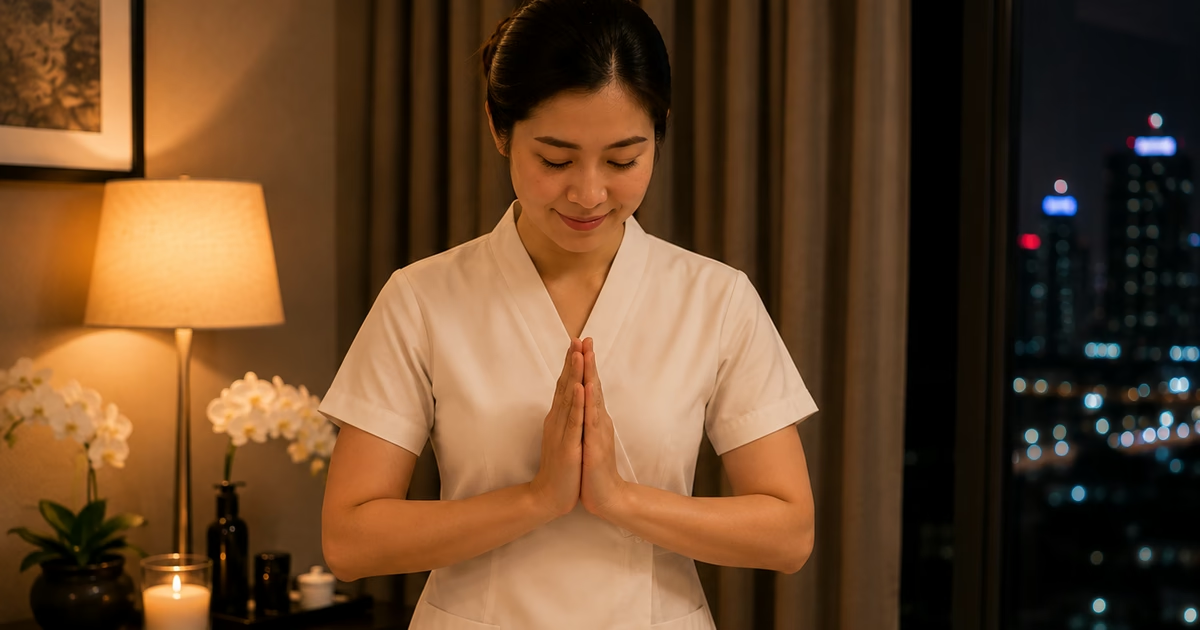
A good come-to-you service operates to the same standard as a proper spa, and it starts the moment the therapist arrives. She comes in a clean uniform, on time within the arrival window you agreed, and greets you politely, often with a wai, the palms-together Thai greeting. There is nothing casual or improvised about it.
She brings what the massage needs and nothing you have to deal with: oils and fresh, clean sheets that she lays over your bed or sofa. There is no massage table to assemble and no mat, so your space stays your space. Before starting, she will ask about any injuries, areas to focus on, and the pressure you like, exactly the intake conversation a spa therapist has, minus the paper form.
Knowing this is what lets you relax. A professional arrives prepared, works to a clear standard, and treats your home with respect. You are receiving the same service you would in a spa room, delivered to wherever you already are.
Get your space ready in five minutes
You do not need to clean the whole place. You need one comfortable spot and a clear path to it.
- Clear a flat surface, usually your bed or a firm sofa, and pull it away from the wall a little if a therapist needs to reach both sides.
- Tidy the short route from your door to that spot, so nobody is stepping over bags or shoes.
- Make sure a bathroom is accessible, and set out a glass of water for afterward.
- Decide where you will undress in private, and have a towel or robe handy.
- Put pets in another room and give kids something to do, so the session stays calm.
Dim lighting is a nice touch but optional. That is genuinely the whole list, and it takes about five minutes.
If you are in a condo, serviced apartment, or hotel, add one step: let building reception or security know a visitor is arriving. Many buildings ask guests to register a visitor or meet them in the lobby, so a quick message to the front desk keeps the arrival smooth and hassle-free. If your building has strict visitor rules, mention it when you book so the therapist can plan for it.
What a trustworthy service sorts out before you book
Part of the etiquette is knowing what a professional service handles up front, so you can tell a real one from a chancer. A legitimate come-to-you massage settles the important things before anyone sets off.
The price, including any travel fee, is agreed and confirmed before you book, never sprung on you at the door. You get a confirmed arrival time rather than a vague maybe. And you know who is coming, a named therapist, not an anonymous knock. The full rates and session lengths sit on the pricing page, and you can see the massage therapist side of a proper service rather than a faceless booking.
If a service will not tell you the price, the timing, or who is arriving, that is your signal to book elsewhere. A professional operation is happy to confirm all three. For the mechanics of sharing your location and what to send, how to book a massage to your location walks through it.
Undressing, draping, and staying comfortable
This runs to the same professional standard a reputable spa follows. You undress only to the level you are comfortable with, and plenty of people keep their underwear on. For a style that needs loose clothing, like Thai massage, you stay fully dressed.
Once you are on the bed, you are covered with a sheet or towel, and only the area being worked on is uncovered at any time. Staying properly draped is a formal professional standard, not an optional nicety. The College of Massage Therapists of Ontario, for example, requires clients to be effectively covered throughout, and the therapist to keep checking comfort and consent as they go. A good therapist explains how they will work before they begin, and you can adjust or pause anything at any point. It is your session.
During the massage: talk, or do not
There is no rule that says you must make conversation, and none that says you must stay silent. Some people chat, some drift off, and a good therapist takes their cue from you.
The one thing worth doing is speaking up about anything that affects the massage. Say so if the pressure is too firm or too light, if you are too warm or too cold, or if a spot is tender and should be eased off. Therapists cannot feel what you feel, so a quick word early sets the whole session at the right level. And if you fall asleep, that is fine. It is taken as a sign the massage is working.
Tipping and afterwards
Tipping in Thailand is not expected the way it is in some countries, and you will never be pressured for one. It is, though, a genuinely appreciated gesture for good work. For a massage, somewhere around 50 to 100 baht is a normal tip, more for a longer or higher-end session. Hand it directly to the therapist in Thai baht, so you know it reaches her.
Afterward, drink some water and give yourself a little time before rushing off. If you had an oil massage, the oil is meant to absorb, so many people simply relax or sleep rather than showering straight away. A quiet wind-down is part of what you paid for.
When a come-to-you massage is not the right call
Honesty matters here, because come-to-you is not always the better choice. If what you really want is a shower, a steam room, or a sauna as part of the ritual, a spa or shop gives you facilities that no home visit can. The same is true if you simply do not have a private, comfortable space to be massaged in.
Come-to-you earns its place when the trip is the only thing standing between you and a good massage, which in Bangkok traffic is most evenings. When you would rather not go anywhere, a professional therapist arriving at your door, working to the same standard as any good spa, is hard to beat. If that fits your evening, a massage near me is the easy version. And if you are still weighing it up, a therapist coming to you versus a walk-in shop lays out the trade-offs.
Frequently asked questions
Do you tip a massage therapist in Thailand?
Tipping is not required in Thailand, but it is a common and appreciated gesture. For a massage, around 50 to 100 baht is normal for a good session, and more for longer or higher-end work. Hand it directly to the therapist in Thai baht rather than leaving it somewhere, so you know it reaches them. It is never obligatory, and no one will chase you for it.
What should you do before a massage therapist arrives?
Clear a flat, comfortable spot where you will have the massage, usually your bed or a sofa, and tidy a short path to it. Make sure the therapist can find the entrance, that any building reception knows a visitor is coming, and that a bathroom is accessible. Have water nearby and decide where you will undress in private. It takes about five minutes.
Do you have to get fully undressed for a massage?
No. You undress only to the level you are comfortable with, and many people keep underwear on. A professional therapist keeps you covered with draping at all times and only uncovers the area being worked on. If a style needs loose clothing, like Thai massage, you stay dressed. Your comfort sets the rule, not the other way around.
Are you supposed to talk during a massage?
Either is fine. Some people chat, others prefer quiet, and a good therapist follows your lead. What does matter is speaking up about the things that affect the massage: pressure that is too much or too little, temperature, or an area that needs attention or should be avoided. Falling asleep is completely normal and is taken as a compliment, not rudeness.
Can a come-to-you massage therapist come to my hotel or condo?
Usually yes, but the building sets the access rules. Many condos, serviced apartments, and hotels ask guests to register a visitor at reception or meet them in the lobby, so let building security or the front desk know a therapist is arriving. A quick heads-up keeps the arrival smooth and easy. If your building has strict visitor rules, tell the service when you book.
How do you prepare your home for a massage?
Keep it simple. Clear a flat surface like your bed or a sofa, since the therapist brings oils and fresh sheets and lays them over it, with no table or mat to set up. Dim the lights if you like, put pets in another room, and set out water. The therapist handles the rest, so you do not need to prepare much beyond a clean, quiet spot.
Is it rude to fall asleep during a massage?
Not at all. Drifting off means you are relaxed, which is the point, and therapists expect it. They will gently reposition you if they need to, and wake you softly at the end. The only thing worth staying awake enough for is giving feedback on pressure early on, so the rest of the session is set at a level that suits you.