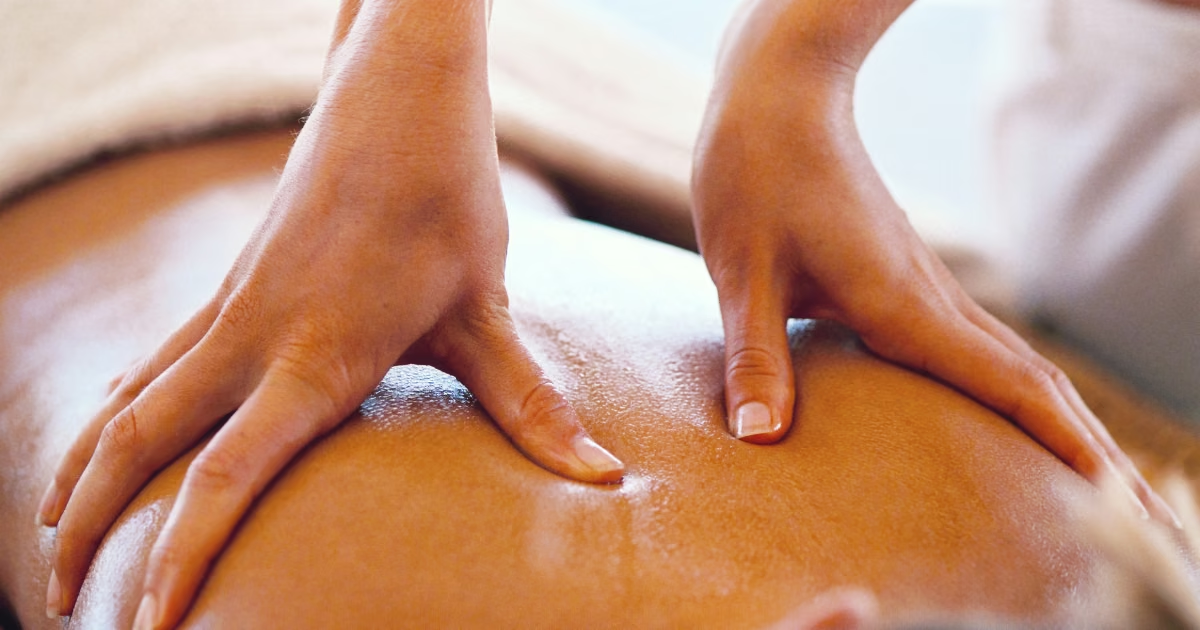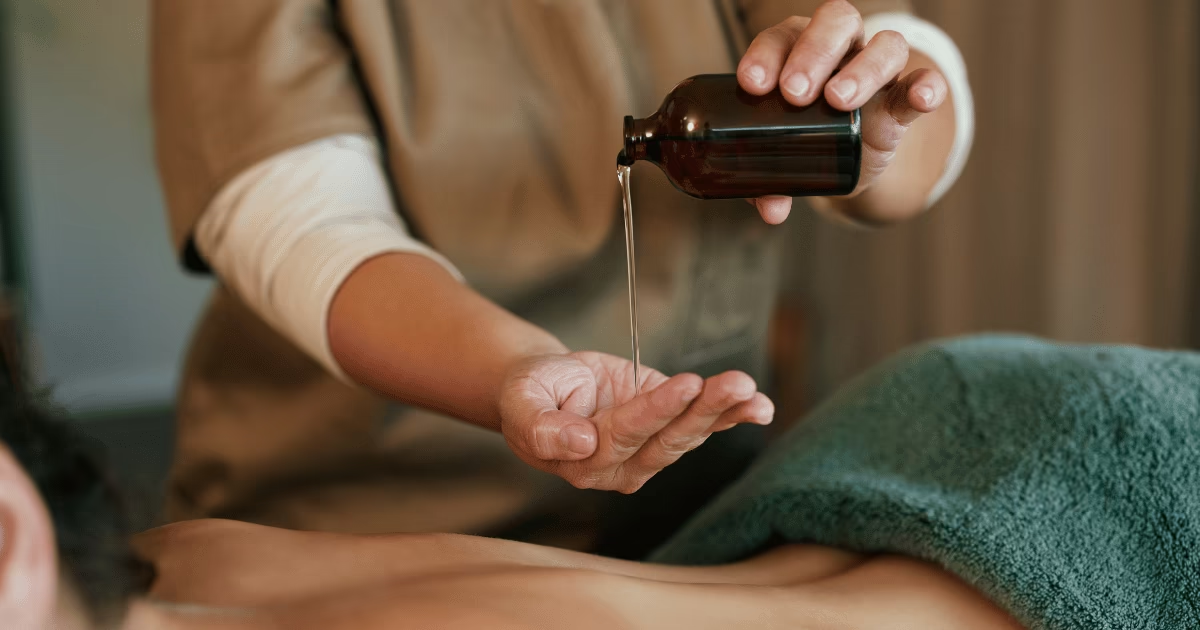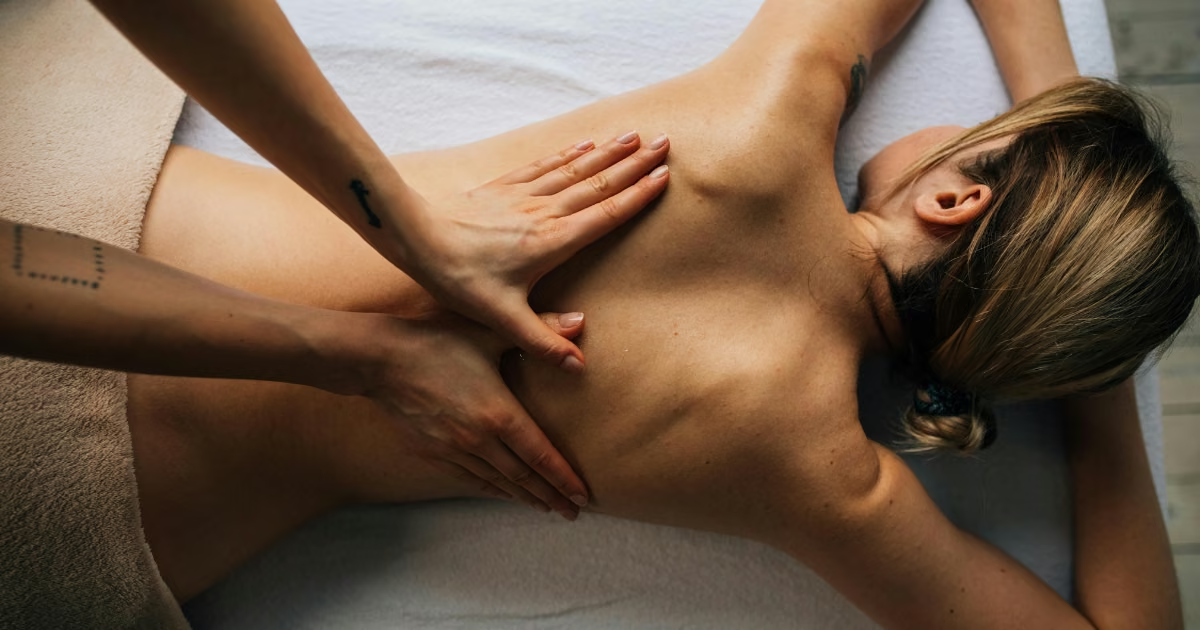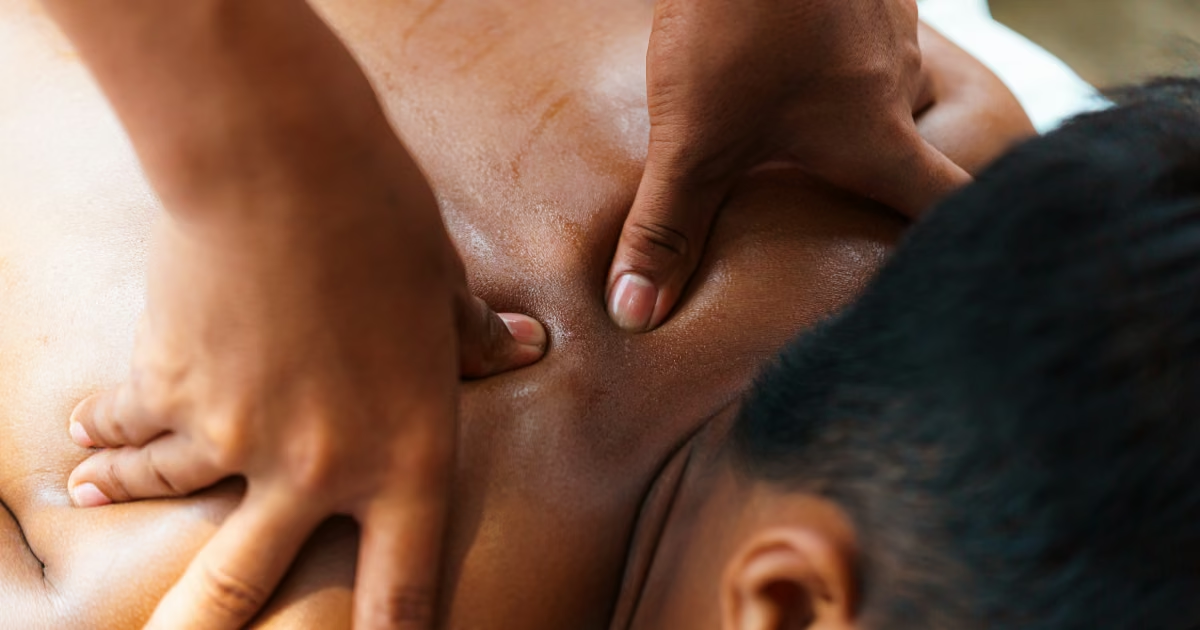
A come-to-you massage sends a trained therapist to your home, so you skip the trip and stay in your own space. A walk-in shop is a venue you travel to, with facilities a home does not have. The massage itself can be the same in both; the real differences sit around it, in the travel, the setting, and what you can do once it ends. Which is better depends entirely on the evening you are having.
What actually differs between the two
Start by separating the massage from everything around it. A qualified therapist gives the same quality of work whether you are on your own bed or a shop's couch. So the comparison is not really about the massage. It is about five things that surround it.
- Travel. A shop asks you to get there and back. A come-to-you service does that trip for you.
- Setting. At home you control the temperature, the light, the noise. A shop controls those for you, for better or worse.
- Afterwards. At home you rest where you are. From a shop you travel home first.
- Facilities. A shop can offer a shower, a steam room, or a sauna. A home cannot.
- Continuity. A come-to-you service lets you rebook the same therapist. Shops tend to rotate.
None of these makes one model better. They just pull in different directions, so the right pick changes with what you want that day.
Where a come-to-you massage wins
The clearest advantage is that you never move. No journey there, no journey back, no sitting in a waiting area. For anyone who is tired, settled in, or short on time, removing the trip is the whole point.
The setting matters more than it sounds. Relaxation is not only in the hands; it depends on the nervous system actually shifting into a rest state. In one study, moderate pressure massage moved people into a parasympathetic, rest-and-digest response, measured through heart rate variability, while light pressure did not (Diego and Field, International Journal of Neuroscience, 2009). A calm, familiar room helps that shift happen, and your own home is often the calmest room you have.
Then there is what happens next. After a good massage you are loose and a little drowsy, which is a poor state to drive or navigate a train in. At home you simply stay put, and the wind-down continues instead of being cut short by a commute. Continuity helps too. Requesting the same therapist means they remember your back, your knots, your preferences, session after session.
Where a walk-in shop wins
A shop earns its place, and it is only fair to say where it beats staying home.
Facilities are the big one. A sauna, a steam room, a cold plunge, or a pool are things a home session cannot bring you, and they are a genuine part of the experience for many people. The relaxation and health benefits of regular sauna use are well documented, including lower blood pressure and stress reduction (Laukkanen et al., Mayo Clinic Proceedings, 2018). If a soak and a steam are what you are after, only a venue delivers them.
Spontaneity is the other. A shop suits walking in while you are already out, with no booking and no waiting for anyone to arrive. And if your home is small, cluttered, or shared, a venue spares you clearing a space and gives you a room that is set up for exactly this. Some people also simply prefer to leave the house for it, keeping the massage separate from where they live and work.
How to choose for your situation
The decision gets easy once you frame it around the evening rather than the model.
- Choose come-to-you when the appeal is not moving: late at night, after a hard workout, with a sleeping child at home, or when you would rather not travel afterwards. Arrival usually runs 30 to 40 minutes, and how long a massage takes to arrive breaks that down.
- Choose a walk-in shop when you want facilities, a spontaneous drop-in while you are out, or a space you do not have to prepare at home.
- Weigh the cost honestly. Session prices are often similar, and the swing factor is a travel fee if you sit outside a free zone. Compare the full figure on a provider's massage prices in Bangkok page before you decide.
- Factor in where you are. In a dense district like Sukhumvit, a shop is rarely far and a therapist is rarely far either, so both options are quick.
Many people use both, and that is the sensible answer. A come-to-you massage on the busy or late nights, a shop when they want the full ritual. When you search for a massage near me, the honest question is not which model is better, but which one fits tonight.
Frequently asked questions
What is the difference between a come-to-you massage and a walk-in shop?
A come-to-you service sends a therapist to your home, so you skip the trip and stay in your own space. A walk-in shop is a venue you travel to, with facilities like showers or a steam room. One brings the massage to you; the other asks you to come to it.
Is a come-to-you massage as good as a shop massage?
The massage itself can be identical, since it is the same hands and techniques. The differences are around the massage: the travel, the setting, and what you can do afterwards. A skilled therapist gives the same quality of work in either place.
Is a come-to-you massage more expensive than a shop?
Not always. The session price is often similar, and the main difference is a travel fee if you sit outside a free zone. You are paying for the convenience of not travelling, which can be worth more or less depending on how far a shop would be anyway.
When is a walk-in shop the better choice?
When you want facilities a home cannot provide, like a sauna, steam room, or pool, or when you would rather not clear a space at home. Shops also suit a spontaneous walk-in while you are already out, with no booking and no waiting for someone to arrive.
When is a come-to-you massage the better choice?
When the appeal is not moving at all. It suits late nights, tired legs after training, small children asleep at home, or simply not wanting to travel afterwards. You finish the massage and stay exactly where you are, which protects the relaxation.
Do you need to prepare your home for a come-to-you massage?
Very little. A good therapist brings oils and fresh sheets and lays them over your own bed or sofa. You clear a flat surface and keep a little room to move around it. There is no table, mat, or candles to set up.
Can you get the same therapist each time with a come-to-you service?
Often, yes, if you request them and book a little ahead. Continuity is one quiet advantage of a come-to-you service, since a shop tends to rotate whoever is free. Seeing the same therapist means they learn your body and what you need.