The menus make this look complicated. It is not.
Book Thai massage if you feel stiff. Book oil massage if you feel tired. That single distinction covers most of the decision, and the rest of this page is for the cases where it does not.
What each one actually is
Traditional Thai massage uses no oil at all. You stay in loose clothing and the therapist works with acupressure along the body plus assisted stretching, moving your joints through their range for you. It is closer to being carefully stretched by someone who knows the sequence than to a conventional massage.
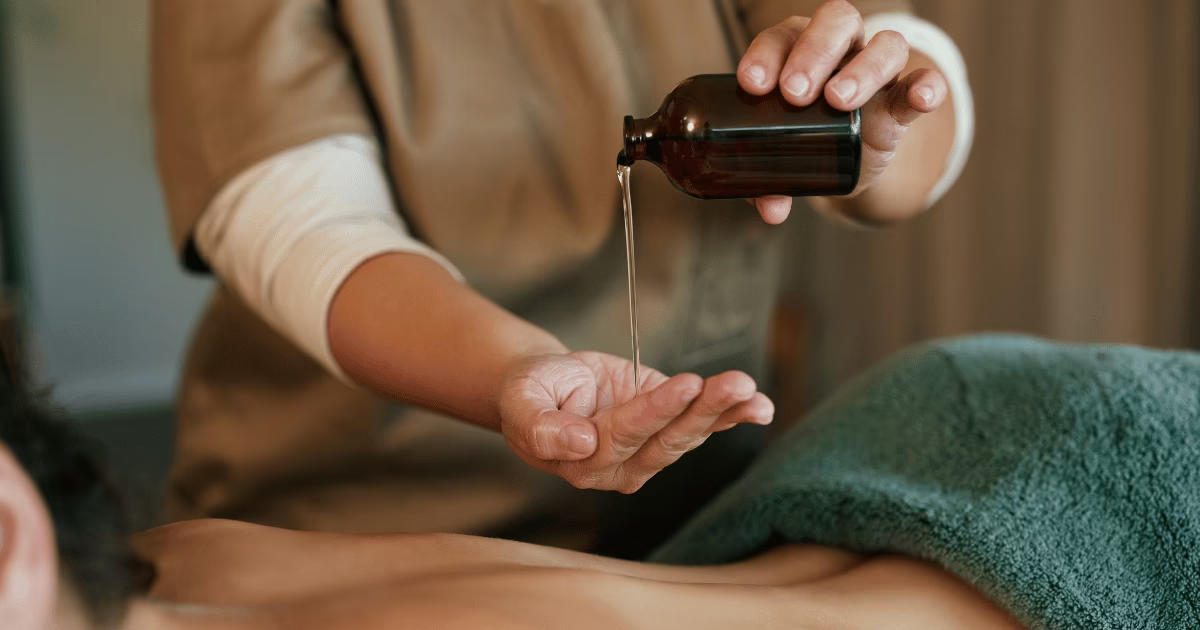
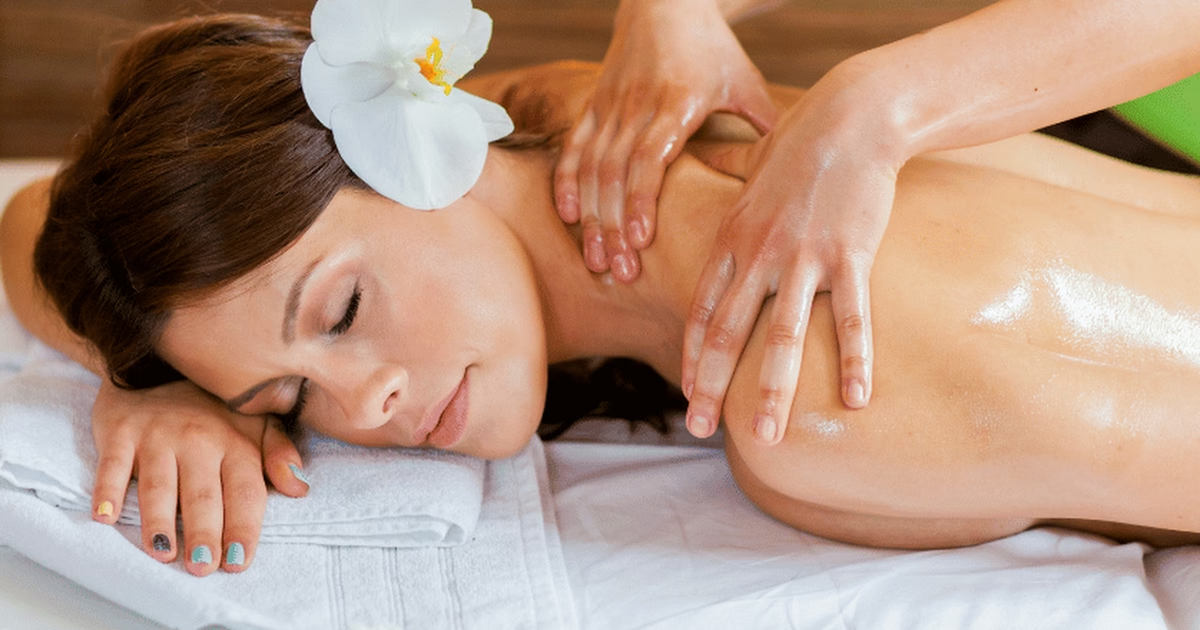
Oil massage is what most people picture. Warm oil, long continuous strokes, direct on the skin, covering the whole body. You undress to your comfort level and stay covered by a towel apart from the area being worked.
Stiff versus tired
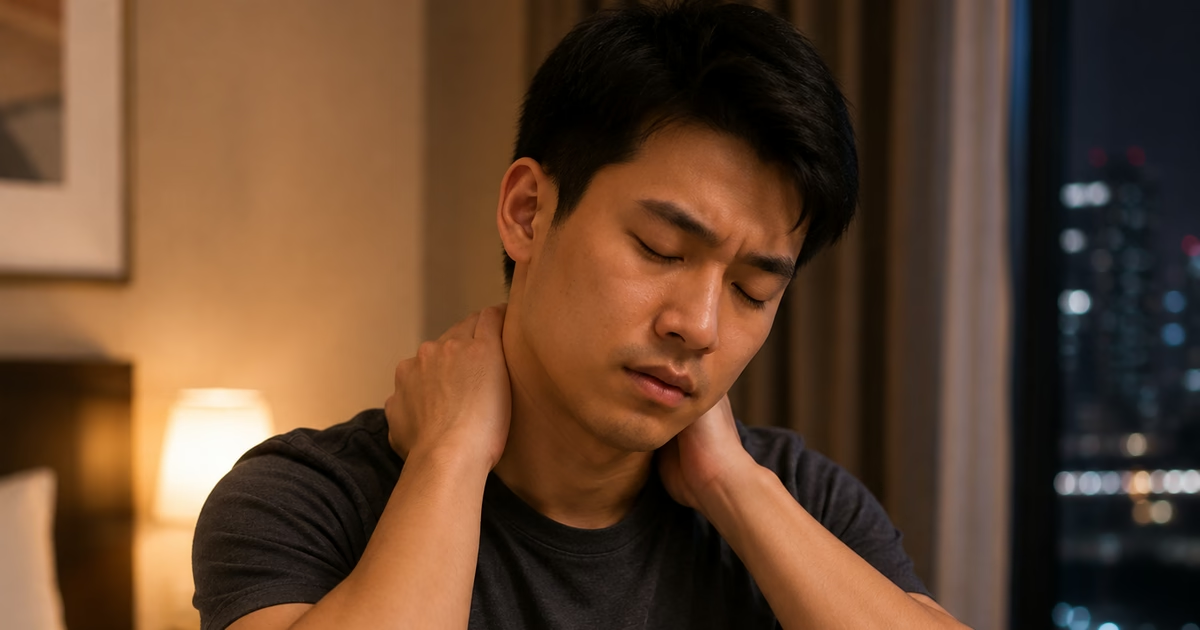
Stiffness is a movement problem. Your hips do not open the way they did, your neck turns further one way than the other, getting off the floor takes a moment. Stretching addresses that directly, and pressure alone does not. Thai.
Tiredness is a tension problem. Nothing specific hurts, you have been running at a certain level for weeks, and you want to stop. Long strokes and warm oil address that, and being stretched does not. Oil.
Most people know which one they are within a few seconds of reading those two paragraphs.
After a flight
Thai, and it is not close.
What a long flight does is compression and stillness. Hips shorten, the lower back settles, the whole system stops moving. That is a range-of-movement problem, which is exactly what assisted stretching is for.
Book it on arrival day rather than waiting. Stiffness that has set in over three days takes longer to undo than stiffness that is a few hours old.
If you want to sleep afterwards
Oil, and if sleep is the actual goal, aromatherapy rather than plain oil.
Thai massage involves movement, and movement tends to leave people alert. That is useful at 3pm and unhelpful at 2am. Plenty of people finish a Thai session feeling loose and wide awake, which is a good outcome at the wrong time of day.
Anything with oil and slow strokes moves in the other direction. Aromatherapy is built for it specifically, with lighter pressure and scented oils, and it is the treatment we recommend most often for bookings after midnight.
If one specific spot hurts
Neither, or rather neither first.
A knot that has been in your shoulder for three weeks is a job for deep tissue massage, which works slowly and firmly into one area rather than covering the whole body. Book 90 minutes for it rather than 60, because the first stretch of the session goes on warming the tissue before any real work starts.
Thai will stretch around the problem. Oil will relax everything except the problem. Deep tissue goes at it.
Cost
Thai is the least expensive treatment on the menu because it uses no oil and no products. The skill is entirely in the hands.
With Luna, Thai starts at 900 baht for 60 minutes and oil at 1,000. The gap widens as the oils get more specialised: aromatherapy is 1,200 and coconut oil 1,400, and in both cases you are paying for the oil rather than for a different technique.
What if you cannot decide
Book 90 minutes of oil massage. It is the safest default: it suits more situations than any other treatment, it is very hard to dislike, and 90 minutes is long enough that a therapist can spend extra time on wherever you tell her it is worst.
Then say what hurts at the start. A good therapist will work Thai-style stretching into an oil session where it helps, and the boundary between the two treatments is far less rigid in practice than it looks on a price list.
Frequently asked questions
What is the difference between Thai massage and oil massage?
Thai massage uses no oil and is worked through loose clothing, using acupressure and assisted stretching that moves your joints for you. Oil massage uses warm oil and long gliding strokes on the skin. Thai targets stiffness and range of movement, oil targets tiredness and general tension.
Which is better after a long flight?
Thai massage, usually. The problem after a flight is compression and stillness rather than muscle damage, and stretching addresses that directly. Book it on arrival day rather than waiting until the stiffness has set in.
Which one is better for sleep?
Oil massage, and aromatherapy more so. Thai involves movement and can leave you feeling energised, which is useful in the afternoon and unhelpful at 2am. If the goal is being asleep soon afterwards, choose an oil treatment.
Do you take your clothes off for Thai massage?
No. Traditional Thai massage is worked through loose clothing and uses no oil, so you stay dressed throughout. For oil treatments you undress to your comfort level and stay covered by a towel apart from the area being worked.
Which is cheaper?
Thai massage, because it uses no oil and no products. With Luna it starts at 900 baht for 60 minutes against 1,000 for oil massage. The price gap widens for the scented and speciality oils.