Most disappointing massages are a pressure problem. Not a bad therapist, not the wrong treatment: pressure that was too light to do anything, or hard enough that you spent an hour braced against it.
Both are fixable in one sentence, and almost nobody says it.
The test is your breathing
Firm work can be uncomfortable. That is different from painful, and the line between them is easier to find than people think.
If you are breathing normally, the pressure is right, even when it is intense. If you are holding your breath, gripping the mat, or tensing the muscle being worked, the pressure has gone past useful. At that point the muscle is bracing, and a bracing muscle does not release. The therapist is now pushing against active resistance and the session is achieving less than it would at two thirds of the force.
That is the whole rule. Everything else is detail.
Harder is not better
This is the belief that ruins the most sessions, and it usually comes from someone who once had a very firm massage that helped.
What helped was almost certainly not the force. It was that the therapist stayed on one area long enough for the tissue to give. Pressure past your tolerance produces guarding, and guarding is the opposite of what a session is for. The most effective pressure is the firmest level at which you can stay relaxed, and for most people that is noticeably less than the firmest level they can tolerate.
There is a second cost. Sessions worked too hard tend to leave you sore for longer and sleeping worse, which for a lot of people is the reason they booked in the first place.
What deep tissue should actually feel like
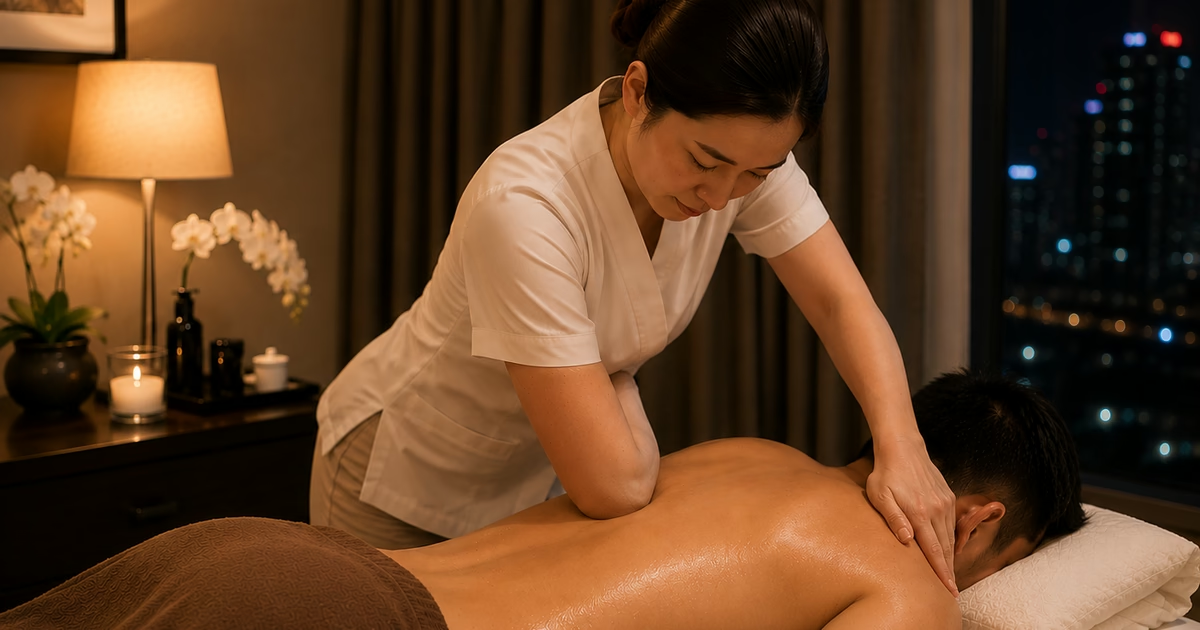
Deep tissue massage is slow, firm pressure into the layer beneath the surface. Two things about it surprise people.
It is slower than expected. Real deep work moves at a crawl, because tissue takes time to give. If someone is working fast and hard, that is firm pressure rather than deep tissue, and the two are not the same thing.
It also spends the first stretch not feeling deep at all. Warming the area comes first, and only then does the pressure build. That is why 90 minutes does far more than 60 for deep tissue: a 60 minute session spends about a quarter of itself getting ready.
If it has been a while since your last massage, or the phrase deep tissue makes you tense in advance, ask for a therapist who ramps slowly rather than opening at the depth she intends to finish at. That is a normal request.
Where the pressure changes
Pressure is not one setting for the whole body. It should change by area, and a good therapist adjusts without being asked.
Shoulders, glutes and the sides of the spine take firm work well. Necks, the front of the shins, the backs of the knees and anywhere close to bone do not. If a therapist is using the same force on your calf as on your upper back, that is worth mentioning.
The sentence
Say it the moment you notice, not at the end.
"A little lighter, please." Or, "you can go firmer there." That is it. It is a completely normal thing to say, no therapist takes it personally, and the alternative is spending an hour of a session you paid for wishing it were different.
The most useful version adds where: "firmer on the right shoulder, lighter on the neck." Now she knows the shape of what you want rather than just the volume.
Matching the treatment to the pressure you want
If you know you want light, book for light rather than booking firm work and asking someone to hold back.
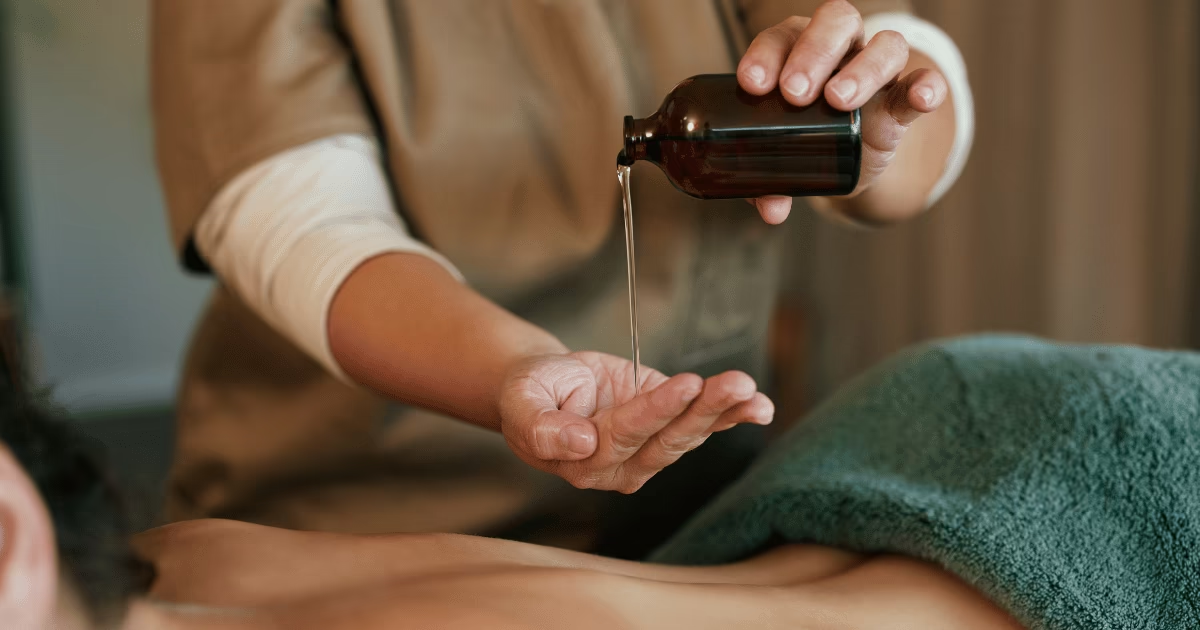
Aromatherapy is the lightest treatment on the menu and it is built that way on purpose, around settling rather than working tissue. Oil massage sits in the middle: enough to feel worked on, not enough to leave you sore.
Traditional Thai massage confuses people here, because it is firm but not in the way deep tissue is firm. It uses compression and assisted stretching rather than sustained force on one spot, so it can feel intense in the moment and rarely leaves the same next-day ache.
The day after
Mild soreness for a day or two after firm work is normal, especially if it has been months since your last session. It should feel like the ache after exercise.
Sharp pain, bruising, or soreness that lasts beyond about three days is not normal. That is a sign the pressure was too much rather than a sign the session worked, and it is worth telling us so the next booking is different.
Frequently asked questions
Should a massage hurt?
It should not. Firm work can be uncomfortable in places and that is different from pain. The test is your breathing: if you are holding your breath or tensing against the pressure, it has gone past useful and the tissue is now resisting rather than releasing.
Is deeper pressure more effective?
No. Tissue releases under pressure it can tolerate and guards against pressure it cannot. Past a certain point more force produces less result, because the muscle is now bracing. The most effective pressure is the firmest you can stay relaxed under.
How do I ask for more or less pressure?
Say it plainly and immediately: a little lighter please, or you can go firmer there. No therapist takes it personally, and adjusting is a normal part of the job. Sitting through pressure you dislike is the most common reason a session disappoints.
Why am I sore the day after a massage?
Mild soreness for a day or two after firm work is normal, particularly after a first session in a long time. It should feel like the ache after exercise. Sharp pain, bruising or soreness lasting beyond three days is not normal and is worth mentioning.
Which massage has the lightest pressure?
Aromatherapy is the lightest by design, built around calming rather than working tissue. Oil massage sits in the middle. Traditional Thai uses firm pressure but distributes it differently, through compression and stretching rather than sustained force on one point.